The Essentiality of Checking Upcoming Events at an Ecological Field Station for Perfect Getaways
Everyone dreams of that perfect escape. The kind where the alarm clock is replaced by birdsong and the biggest decision is which trail to hike first. For many, an ecological field station represents this ideal. These destinations offer a direct line to nature, far from the noise of daily life.
However, securing a stay at one of these special places requires a specific kind of preparation. The key to a flawless visit lies in understanding the rhythm of the station itself, and that starts with diligent research into the upcoming events at Deering Estate and similar stations.
Avoiding Clashes with Private Research Activities
A field station is primarily a place of work for scientists and students. Periods of intense data collection mean certain areas might be off-limits to guests. By checking the event schedule, a traveler can avoid arriving during a major research conference or a private university field course. This knowledge prevents the disappointment of finding the main lab off-limits or the dining hall crowded with a student group. It allows the visitor to choose a time when the station is quieter and more geared toward individual stays. Respecting these operational needs also helps maintain a good relationship between the station and the public.
Secure Limited Accommodation and Spots
The most appealing field stations often have very limited lodging. Cabins and rooms can book up months in advance, especially during peak seasons or special events. A photography workshop, for example, might fill all the rooms for an entire week. A person who checks the events page early can secure a spot before the general public. They can also register for popular, capacity-controlled activities like full-moon kayak tours. This proactive approach is the difference between getting a bunk and being left with a consolation prize. It places the traveler ahead of the curve in a competitive booking environment.
Pack Correctly for Specific Conditions
The difference between a comfortable stay and a miserable one often comes down to gear. An events calendar provides clues about what to bring. If the station is hosting a “Moth Night,” a visitor knows to pack a red light flashlight. If a guided herpetology walk is on the schedule, they might want to bring sturdy, water-resistant boots. This level of detail allows for smart packing tailored to specific activities. It prevents the common problem of being underprepared for the local terrain or weather patterns. The right equipment ensures a person can participate fully and comfortably in everything the station offers.
Supporting the Station’s Conservation Mission
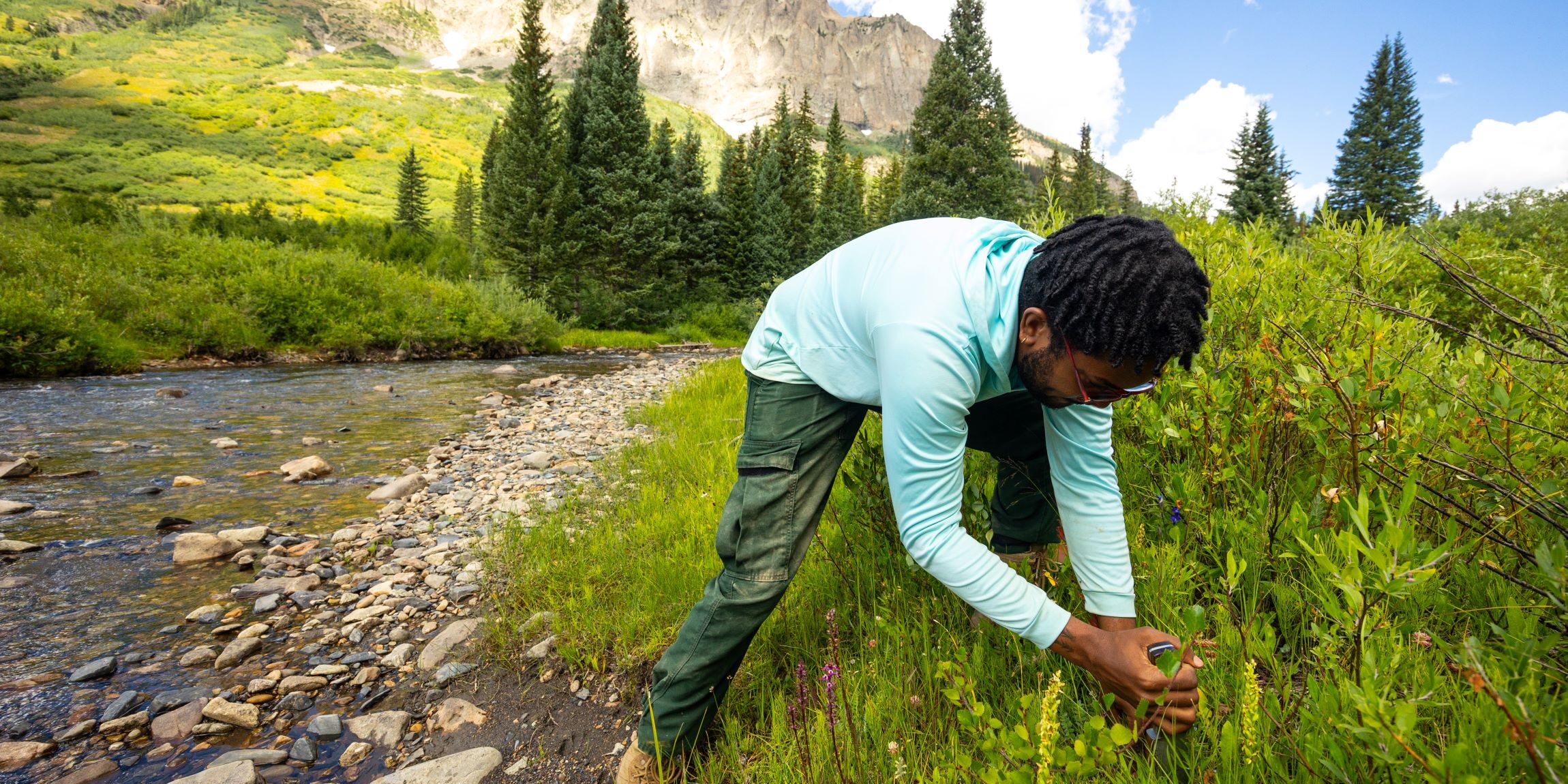
Finally, being aware of the station’s calendar allows visitors to contribute to its purpose. Many events are fundraisers or stewardship days, such as trail maintenance or invasive species removal. A traveler who plans their trip around these dates can volunteer their time. This direct involvement creates a meaningful connection to the land. It shifts the role from a simple consumer of nature to an active participant in its preservation. This sense of contribution often becomes the most memorable part of the getaway, knowing they helped the very place that gave them peace.
A little research on upcoming events at Deering Estate and similar ecological stations can go a long way. The calendar is more than a list of dates; it is a window into the soul of the place. By consulting it, a traveler ensures their visit aligns with their desires while respecting the station’s primary work. They secure the best accommodation, pack the right gear, and find opportunities to engage deeply. This preparation transforms a simple trip into a perfect, seamless getaway. The effort put in before leaving home pays back tenfold in the quality of the experience in the wild.