Fermentation Fundamentals: A Deep Dive into Craft Brewing
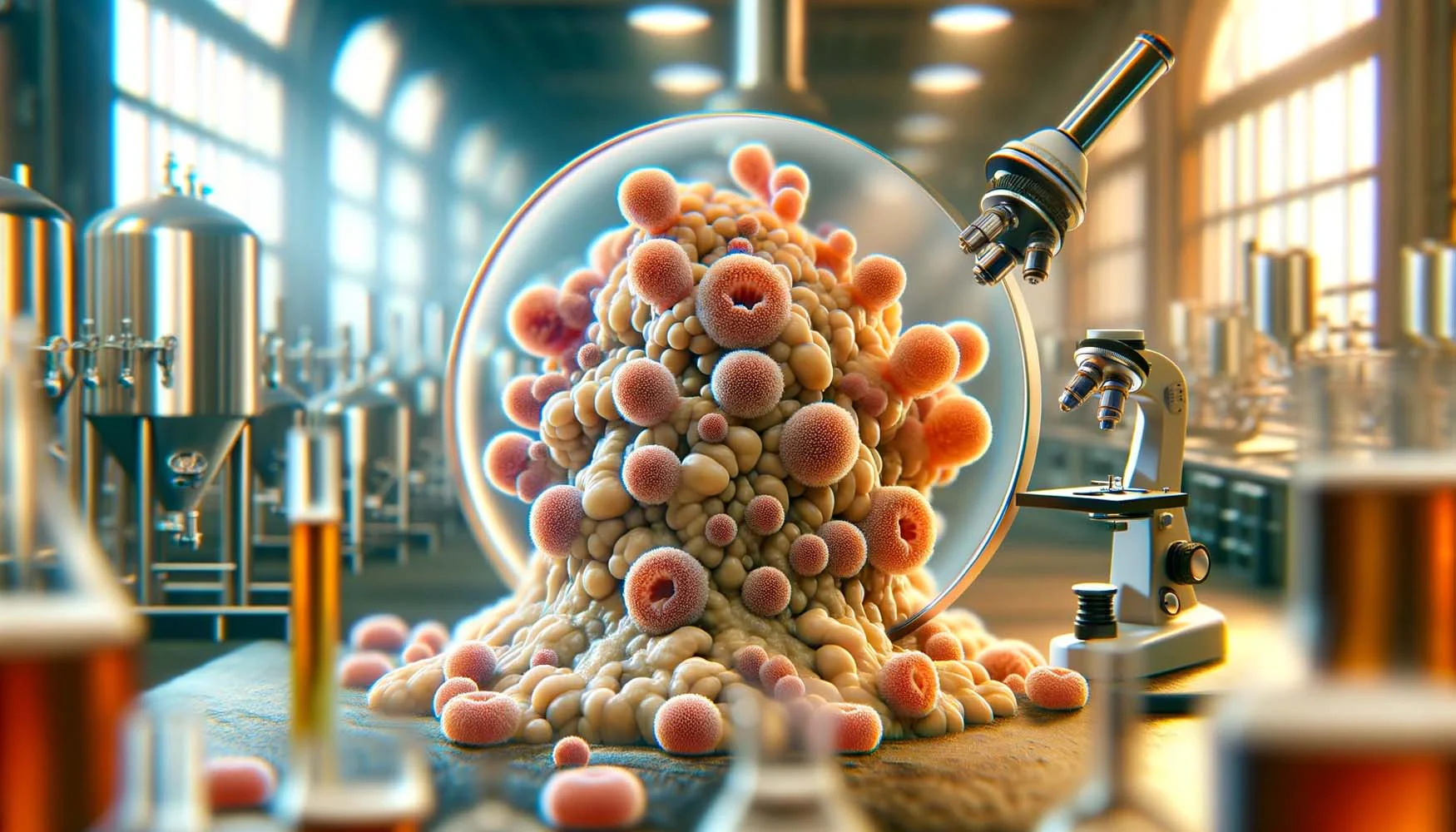
Craft brewing is more than just mixing water, malt, hops, and yeast—it’s a delicate balance of science, art, and patience. At the heart of this process lies fermentation, the magical stage where sugar transforms into alcohol and carbon dioxide, giving beer its signature flavor, aroma, and body. Understanding the fundamentals of fermentation is essential for anyone looking to elevate their craft beer production, whether at home or in a small commercial setup.
What is Fermentation?
Fermentation is a metabolic process where yeast consumes sugars in the wort (the liquid extracted from malted grains) and converts them into alcohol and carbon dioxide. While this sounds simple, the subtleties of fermentation—temperature, yeast strain, and timing—can dramatically affect the final product. There are two main types of fermentation in craft brewing:
- Ale Fermentation: Conducted at warmer temperatures (60–75°F), this process is faster and produces beers with rich, fruity, and complex flavors.
- Lager Fermentation: Conducted at cooler temperatures (45–55°F), this slower process results in clean, crisp, and highly refined flavors.
Each type of fermentation requires precise control to ensure consistency and prevent off-flavors, making it a true art form as much as a science.
The Role of Yeast
Yeast is the powerhouse of fermentation. Different strains produce different flavors and levels of carbonation. Ale yeast strains, for example, are known for creating more esters—compounds that give fruity or spicy notes—while lager yeasts work quietly to produce smooth, crisp beers. Selecting the right yeast and understanding its behavior are critical steps for brewers who want to maintain quality and consistency.
Proper yeast handling also matters. Yeast should be fresh, healthy, and properly pitched into the wort. Overpitching or underpitching can stress the yeast, leading to off-flavors or incomplete fermentation.
Temperature Control is Key
Temperature is one of the most important factors in fermentation. Even a few degrees too warm or too cold can affect yeast activity and flavor development. Brewers often use fermentation chambers, temperature-controlled refrigerators, or even specialized jackets to maintain optimal conditions. Monitoring temperature throughout the fermentation process ensures that the yeast performs at its best, resulting in a balanced and flavorful beer.
Timing and Patience
Fermentation is not a process that can be rushed. Depending on the style and yeast strain, fermentation can take anywhere from a few days to several weeks. During this time, yeast metabolizes sugars, produces alcohol, and creates the distinct aromas and flavors that define your beer. Rushing the process can result in off-flavors, cloudy beer, or underdeveloped carbonation. Patience is a brewer’s best friend.
Secondary Fermentation and Conditioning
After primary fermentation, many brewers move the beer to a secondary fermenter to clarify and mature the flavors. This stage allows unwanted compounds to settle out, reduces sediment, and improves overall taste. It’s also the perfect time to consider bottling and labeling. Many craft breweries now use pressure sensitive labels for their bottles, ensuring that each brew is accurately branded without risking spills or misalignment during packaging.
Common Fermentation Challenges
Even experienced brewers encounter challenges. Some common issues include:
- Stuck Fermentation: When yeast stops working before all sugars are converted.
- Off-Flavors: Caused by temperature fluctuations, stressed yeast, or contamination.
- Inconsistent Carbonation: Often due to improper priming sugar or bottling technique.
Troubleshooting these problems requires a combination of observation, record-keeping, and adjusting brewing techniques. Keeping a brewing log can help identify patterns and improve future batches.
Final Thoughts
Understanding fermentation fundamentals is essential for anyone passionate about craft beer. By mastering yeast selection, temperature control, timing, and patience, brewers can create beers that are not only delicious but also consistent and professional. Attention to detail—down to packaging choices like pressure sensitive labels—can elevate a small batch into a brand-worthy product.
Craft brewing is a journey of experimentation and learning. Each batch teaches something new about the ingredients, the process, and your own style as a brewer. Embrace the science, trust the process, and savor the results. After all, the art of fermentation is what transforms simple ingredients into liquid gold.