Eco-Friendly Packaging: How Materials Are Evolving
In today’s world, sustainability isn’t just a trend—it’s a responsibility. Consumers, retailers, and manufacturers alike are seeking ways to reduce environmental impact, and packaging is at the forefront of this movement. From reducing waste to using renewable materials, eco-friendly packaging is rapidly evolving to meet the demands of a greener future.
The Shift Toward Sustainable Materials
Traditional packaging materials like plastics and non-recyclable composites have long been criticized for their environmental footprint. In response, the packaging industry is shifting toward sustainable alternatives. Materials such as recycled paper, biodegradable plastics, and plant-based polymers are gaining popularity. These options not only reduce landfill waste but also minimize carbon emissions during production.
Recycled paperboard, for instance, is a versatile material used in everything from cereal boxes to shipping cartons. It is not only recyclable but also often sourced from post-consumer waste, closing the loop in the material lifecycle. Similarly, plant-based plastics, derived from corn starch or sugarcane, provide a renewable alternative to petroleum-based plastics while maintaining durability and flexibility.
Innovations in Packaging Design
Eco-friendly packaging isn’t just about material choice—it’s also about design. Engineers and designers are focusing on reducing the amount of material used without compromising strength or protection. Lightweighting, which reduces the weight of packaging, is one example. By using less material, companies can lower transportation costs and emissions, making the supply chain more sustainable.
Another innovation is modular packaging, which allows products to fit together efficiently for storage and shipping. This approach reduces excess space and packaging material, cutting down on both waste and shipping emissions. Some brands are even adopting refillable and reusable packaging systems, encouraging consumers to participate in sustainability efforts.
Biodegradability and Compostable Solutions
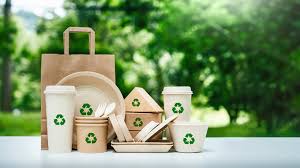
Biodegradable and compostable packaging is becoming increasingly accessible. These materials naturally break down over time without leaving harmful residues. For example, packaging made from cornstarch or bagasse (sugarcane fiber) can decompose in industrial composting facilities. This shift is particularly popular in food packaging, where single-use items like cups, trays, and wrappers are transitioning to fully compostable alternatives.
It’s important to note that biodegradability requires proper disposal. Consumers and businesses alike must ensure these materials reach composting facilities rather than landfill sites to achieve their full environmental benefit.
The Role of Recycling and Circular Economy
A sustainable future for packaging relies heavily on recycling. Manufacturers are designing packaging that is easier to sort, clean, and recycle. Mono-material packaging, which uses a single type of material, simplifies recycling processes and reduces contamination. Clear labeling also educates consumers on proper disposal methods, improving recycling rates.
This approach ties into the broader concept of a circular economy, where materials are kept in use for as long as possible. By closing the loop, companies can reduce raw material consumption, save energy, and minimize environmental impact. Many innovative companies are working closely with suppliers to integrate recycled content into new packaging, reinforcing the circular model.
Collaboration with Custom Die Manufacturers
Creating efficient, eco-friendly packaging often requires specialized expertise. Collaborating with a custom die manufacturer can help brands achieve unique shapes, structural integrity, and optimized material usage while adhering to sustainability standards. These manufacturers play a crucial role in translating design concepts into functional, environmentally conscious packaging solutions.
Consumer Influence on Packaging Evolution
Consumers are driving this change more than ever. Eco-conscious buyers are prioritizing products with sustainable packaging, and companies are responding. Brands are leveraging their packaging choices as a part of their overall environmental messaging, building trust and loyalty with customers who value sustainability.
From minimalistic designs to fully compostable containers, consumer preferences are guiding innovation. Packaging is no longer just a protective shell; it’s a visible statement of a company’s commitment to the planet.
Looking Ahead
The evolution of eco-friendly packaging is just beginning. Future developments may include materials derived from algae, mushroom mycelium, or other renewable resources. Smart packaging technologies could further optimize material use, track environmental impact, and encourage recycling through embedded QR codes or sensors.
As the industry continues to innovate, sustainability will remain a central priority. By embracing new materials, smarter designs, and collaborative manufacturing approaches, companies can create packaging that protects both products and the planet.