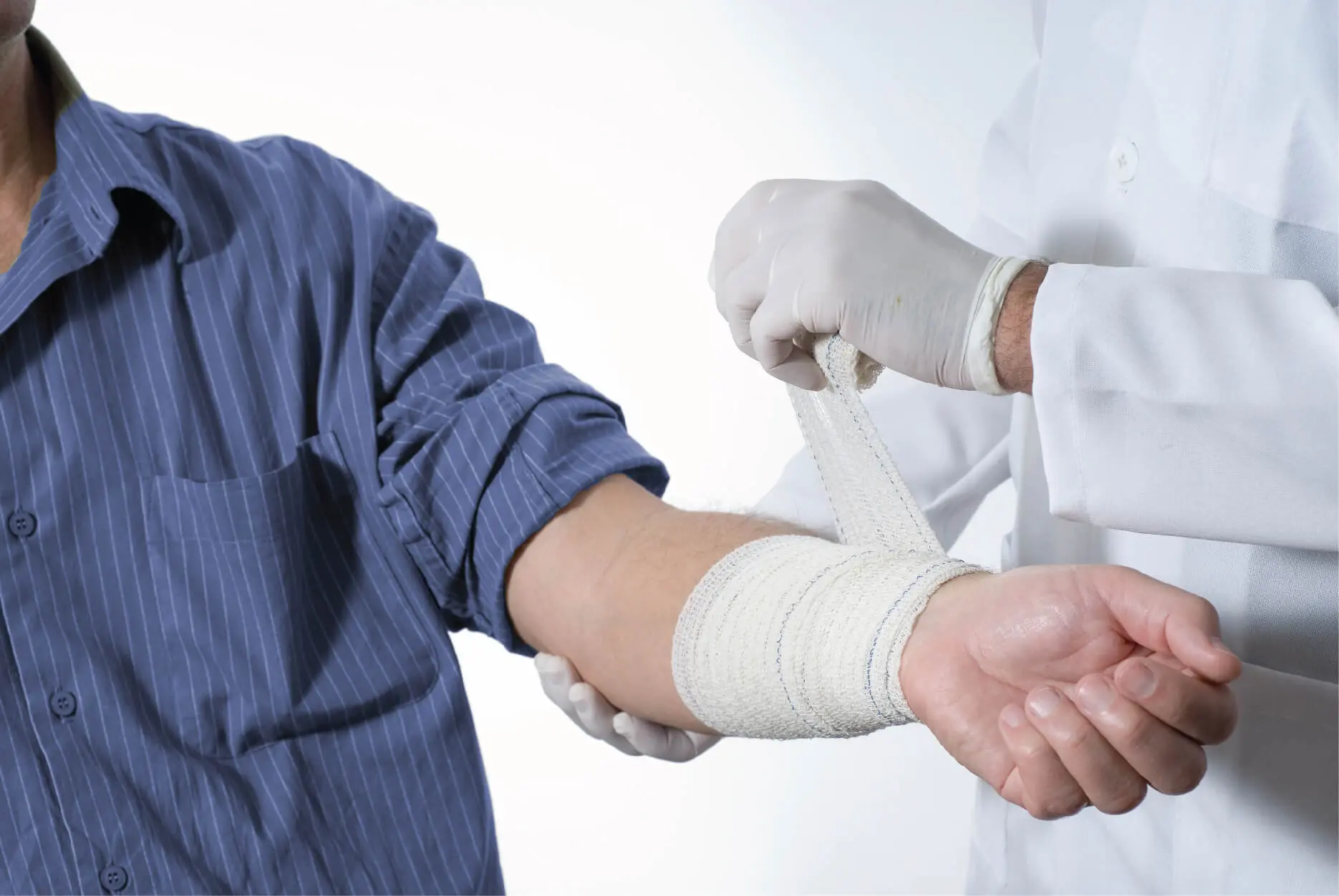
What to Do After a Work Injury in Illinois: Complete Guide
A work injury can happen when you least expect it. Whether you work in construction, healthcare, retail, manufacturing, transportation, or an office setting, workplace accidents can leave you dealing with medical bills, lost wages, and uncertainty about your future. Even a minor injury can become serious if not handled properly. Knowing what to do after a work injury in Illinois can help protect your health, legal rights, and financial stability.
Illinois workers are protected under workers’ compensation laws, but many people are unsure about the correct steps to take after an accident. Missing deadlines or failing to report an injury properly can create problems when filing a claim. This guide explains the most important actions to take after a workplace injury and how to avoid mistakes that could affect your benefits.
Seek Medical Attention Immediately
The first thing you should do after a work injury is focus on your health. If the injury is serious, seek emergency medical care right away or call for assistance. For less severe injuries, visit a doctor or healthcare provider as soon as possible.
Some workplace injuries may not appear serious at first. For example, back pain, head injuries, or repetitive strain conditions can worsen over time. Delaying treatment may put your health at risk and make it harder to prove that the injury happened at work.
When speaking with a doctor, explain clearly that the injury occurred while performing job-related duties. This creates a medical record connecting your condition to the workplace accident, which is important for workers’ compensation claims.
Getting prompt treatment not only protects your health but also strengthens your case if questions arise later.
Report the Injury to Your Employer
After receiving medical attention, report the injury to your employer immediately. Under Illinois law, workers generally have up to 45 days to notify an employer about a workplace injury. However, waiting too long can complicate your claim, so it is best to report the accident right away.
Be specific when explaining what happened. Include important details such as:
- The date and time of the accident
- Where the incident happened
- How the injury occurred
- The type of injury suffered
- Any witnesses present
Whenever possible, report the incident in writing. An email or formal accident report can serve as proof that you notified your employer.
Even if your injury seems minor, report it anyway. Some injuries become more serious over time, and having documentation can protect you later.
Understand Workers’ Compensation Benefits
Illinois workers’ compensation laws are designed to support employees who suffer job-related injuries. In most cases, workers are eligible for benefits regardless of who caused the accident.
Workers’ compensation may cover:
Medical Expenses
Treatment costs related to your injury may be covered, including doctor visits, surgeries, hospital stays, medications, and physical therapy.
Wage Replacement Benefits
If your injury prevents you from working temporarily, you may receive a portion of your lost wages during recovery.
Disability Benefits
Employees with long-term or permanent injuries may qualify for disability compensation.
Rehabilitation Services
If you cannot return to your previous position, vocational training may help you learn new job skills.
Understanding these benefits can help reduce stress and uncertainty during recovery.
Keep Detailed Documentation
One of the smartest things you can do after a workplace injury is keep organized records. Documentation can become valuable if there are disagreements with insurance companies or employers.
Important documents to save include:
- Medical reports and bills
- Prescription information
- Doctor’s recommendations and restrictions
- Photos of injuries or the accident scene
- Witness statements or contact details
- Copies of employer communications
You should also track missed workdays and income losses. These records may help support compensation claims.
Some injured workers find it helpful to keep a recovery journal where they record pain levels, treatment progress, and daily struggles caused by the injury.
Follow Your Doctor’s Instructions
After treatment begins, follow medical advice carefully. Attend all appointments, complete recommended therapies, and take medications as directed.
Insurance companies often review medical records when deciding claims. Missing appointments or ignoring treatment recommendations may create the impression that your injury is not serious.
Returning to work too early can also delay healing and worsen your condition. If your doctor places restrictions on physical activity, lifting, or work duties, follow those instructions closely.
Your recovery should remain the top priority.
Be Careful When Speaking with Insurance Companies
Following a workplace injury, you may be contacted by insurance representatives. They may ask questions about the accident, your injuries, or your medical history.
Be careful when discussing details. Avoid guessing, exaggerating, or making statements you are unsure about. Keep responses factual and simple.
Insurance companies sometimes try to reduce claim payouts. Statements taken out of context may be used to question the seriousness of your injury.
Before signing documents or giving recorded statements, make sure you understand what you are agreeing to. If you feel confused or pressured, legal guidance may be helpful.
Avoid Common Mistakes After a Work Injury
Many workers unintentionally hurt their claims by making avoidable mistakes. Understanding these issues can help protect your rights.
Waiting Too Long to Report the Injury
Delaying a report may raise questions about whether the injury actually happened at work.
Ignoring Medical Treatment
Skipping treatment or avoiding doctor visits can weaken your claim and delay recovery.
Posting on Social Media
Photos, comments, or updates online may be used against you. Even harmless posts can create misunderstandings.
Returning to Work Too Soon
Going back before fully healing may worsen your injury and make recovery longer.
Ignoring Work Restrictions
If your doctor limits certain activities, failing to follow those restrictions may affect both health and benefits.
Avoiding these mistakes can make the workers’ compensation process smoother.
Know When to Contact a Workers’ Compensation Lawyer
Not every workplace injury requires an attorney, but some situations may benefit from legal help.
You may want to contact a lawyer if:
- Your claim is denied
- Benefits are delayed
- Your employer disputes your injury
- You suffer a serious or permanent disability
- You face workplace retaliation
A workers’ compensation attorney can explain your rights and communicate with insurance companies on your behalf.
Legal support may be especially helpful in complex cases involving major injuries or long-term medical treatment.
Returning to Work Safely
Returning to work after an injury can feel stressful. Some workers may return on light duty while still recovering. Employers sometimes offer modified tasks to match medical restrictions.
Before returning, speak with your doctor about what activities are safe. Never push yourself beyond recommended limits just to return faster.
Clear communication with your employer about restrictions can reduce the risk of getting injured again.
Recovery takes time, and healing properly is important for your long-term health.
Conclusion
Knowing what to do after a work injury in Illinoiscan make a major difference in protecting your health, income, and future. Seeking immediate medical care, reporting the injury quickly, understanding workers’ compensation benefits, and keeping proper documentation are all important steps.
Workplace injuries can feel overwhelming, especially when dealing with pain, missed work, and financial stress. However, taking the right actions early can help you avoid complications later. By staying informed and following the proper process, injured workers in Illinois can focus on recovery while protecting their legal rights and financial security.